How the Best Luxury Brands Know When to Stop
By Ana Angulo, Packaging Expert
The hardest decision in luxury design is not what to add. It is what to remove.
This is a discipline I have spent nearly a decade developing. First through two Master's degrees in Brand Strategy and Packaging Design, then through almost ten years of building and directing BLANK STUDIO, a luxury branding and packaging atelier based in Barcelona. In that time, I have worked with founders who want everything on the label and founders who trust the silence. The brands that endure are almost always in the second category.
But restraint is not absence. This is the misunderstanding I encounter most often, from emerging brands who confuse minimalism with laziness, and from established ones who confuse restraint with safety. True restraint in luxury design is an active decision. It requires knowing exactly what is being withheld, and why.
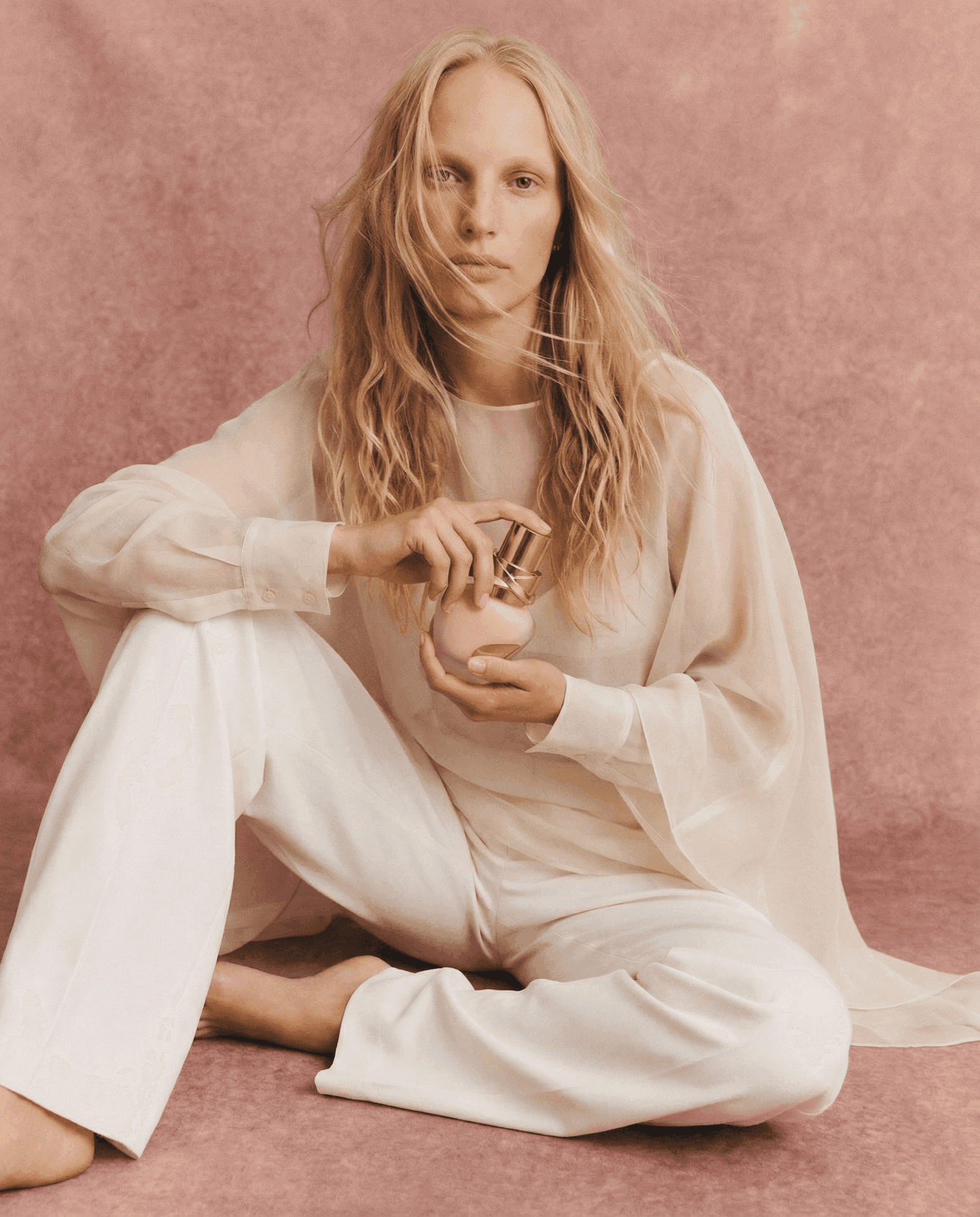
THE Architecture OF Negative SPACE
When Alaïa left the label nearly bare, it was not because there was nothing to say. It was because everything had already been said, in the cut, the weight, the drape. The label was redundant. So it was removed.
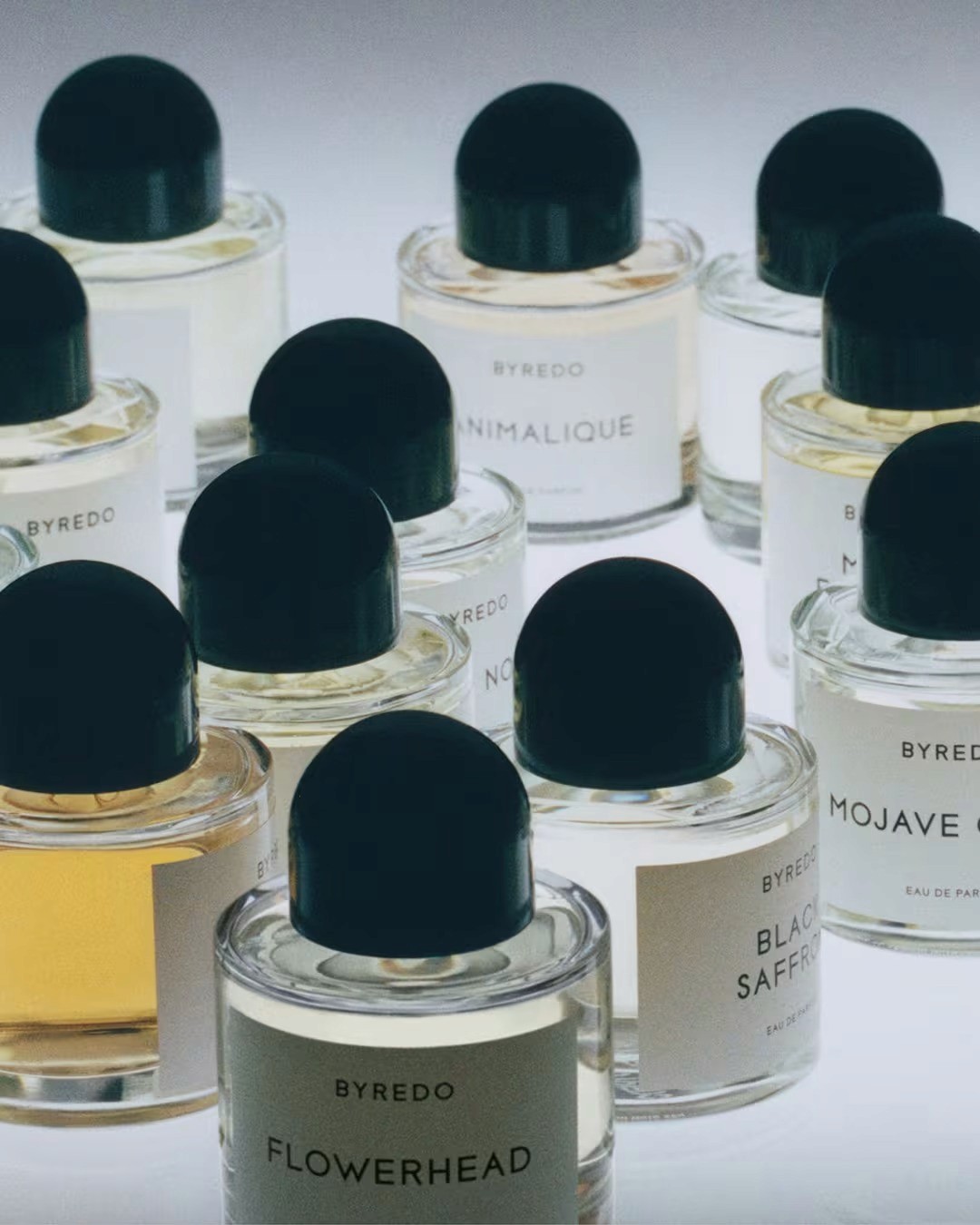
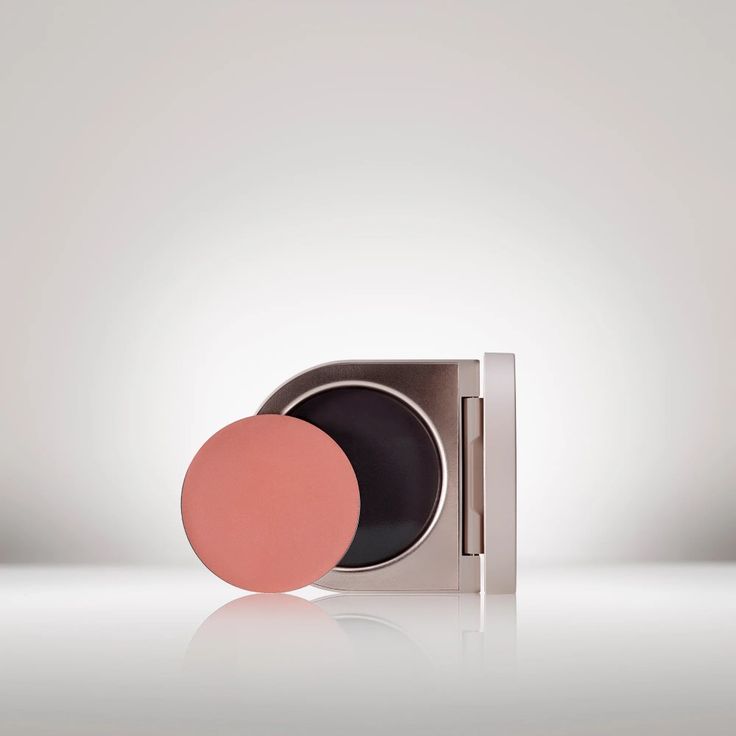
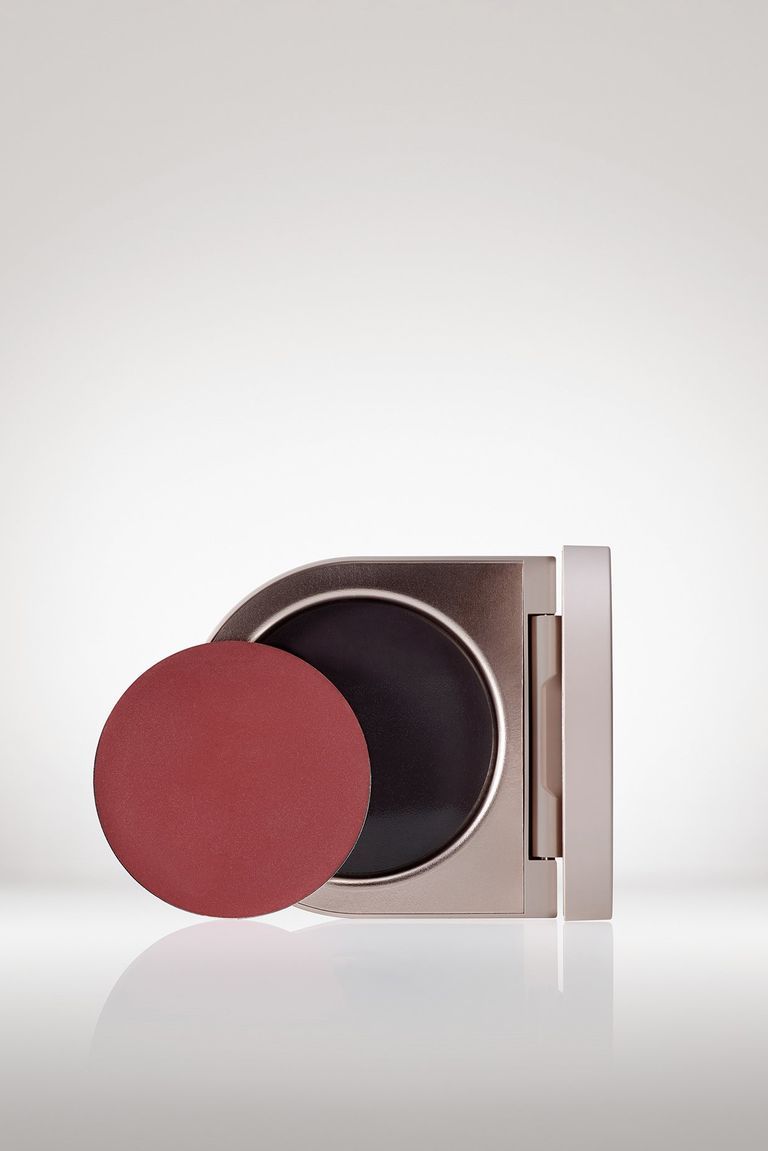
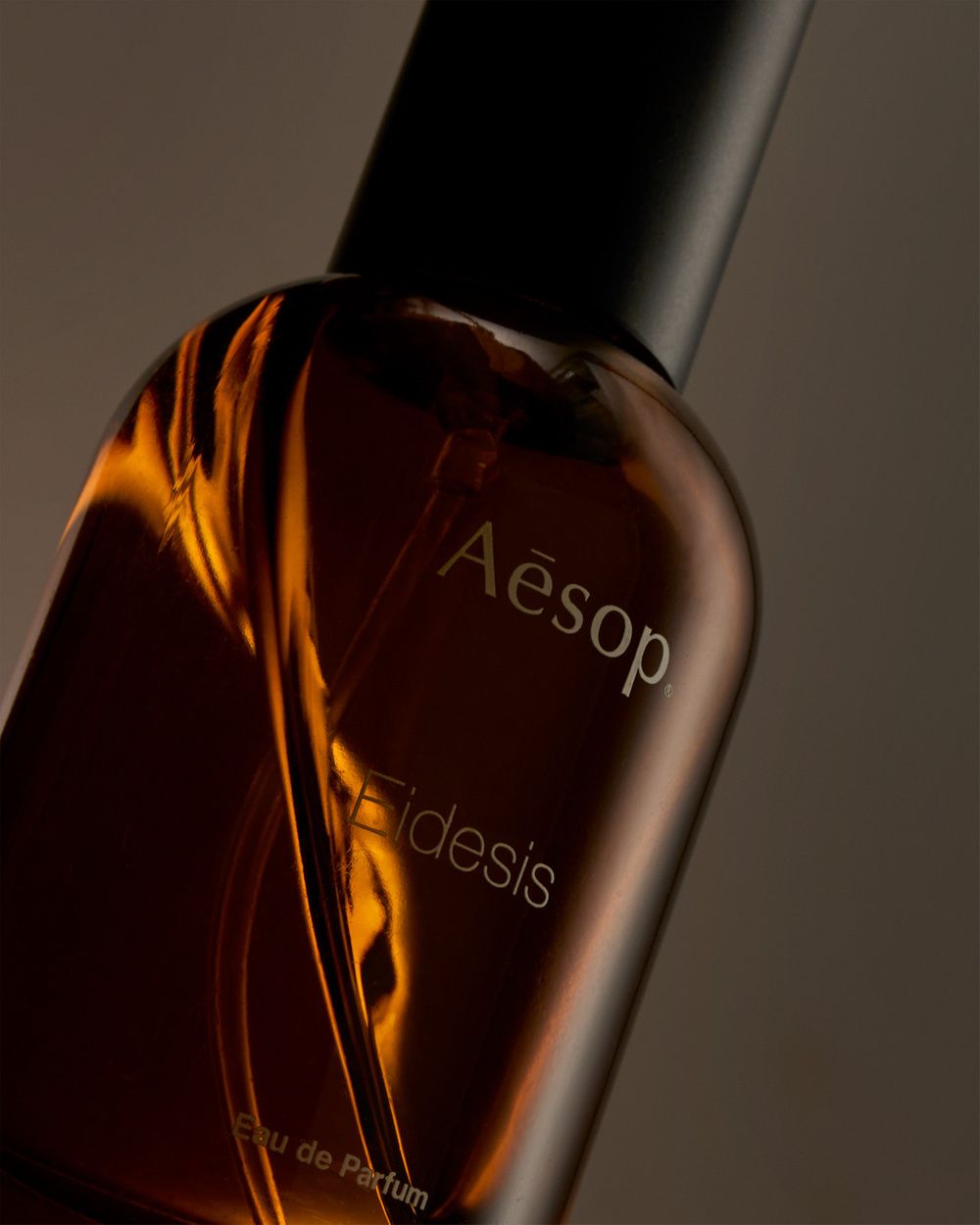
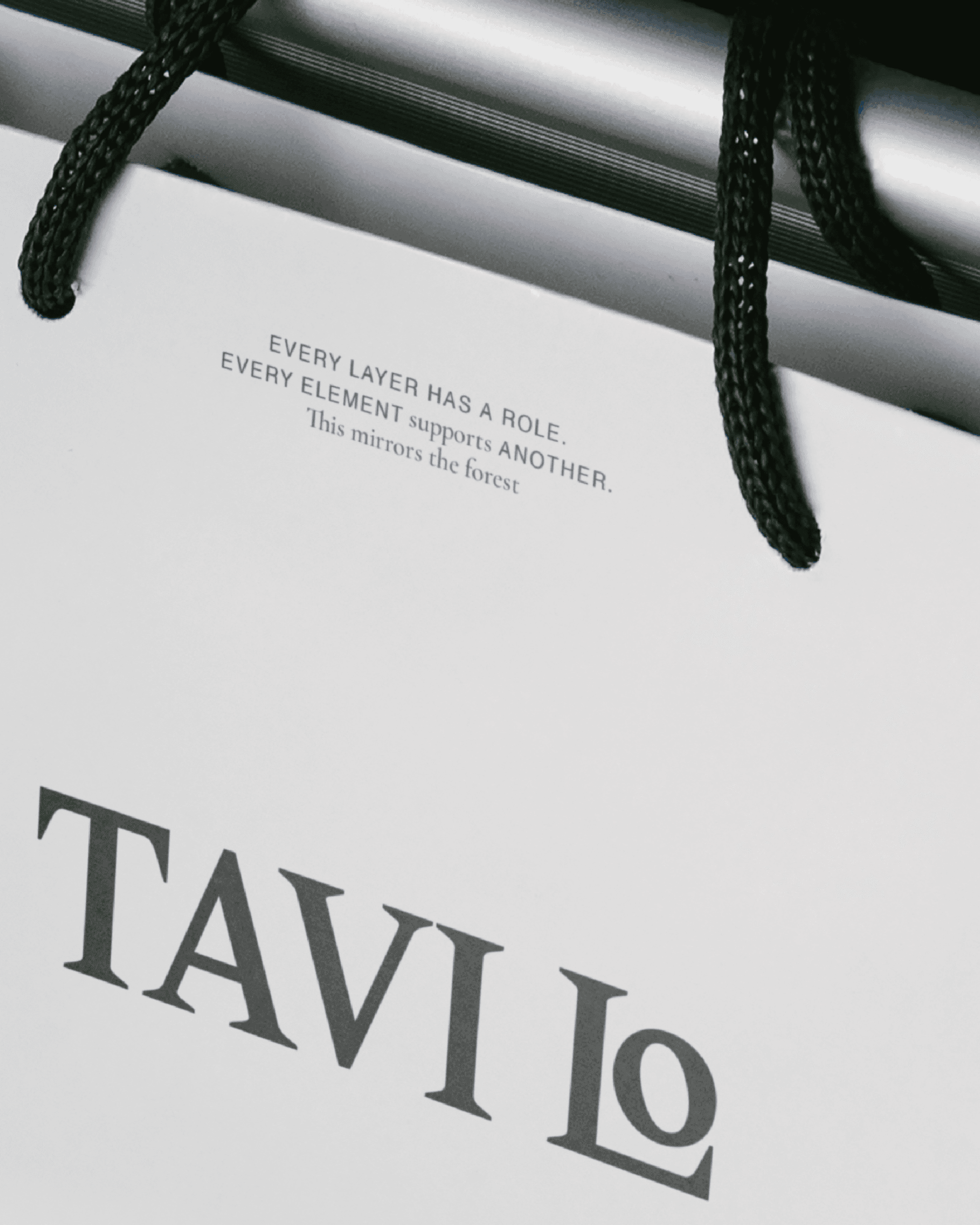
This is the logic that governs the finest luxury packaging as well. A bottle that arrives in a matte black box with a single debossed line does not communicate less than a bottle wrapped in foil and pattern. It communicates differently. And for a specific kind of consumer, it communicates more. It says: we trusted you to understand.
At BLANK STUDIO, I call this the architecture of negative space. It is the deliberate construction of what surrounds the brand, the air, the silence, the margins, as a primary design element and not an afterthought. Every project we take begins with this question: what does this brand not need to say?
THE Problem WITH "Elevated"
The word elevated has become a liability in luxury design. Every brief contains it. Every mood board claims it. And yet elevated is not a design decision. It is an aspiration. The question is how you get there.
I have seen luxury packaging that is visually impeccable and completely empty. The foiling is perfect. The typography is immaculate. The unboxing is sequenced and satisfying. And yet the brand behind it has nothing to say. No point of view, no philosophy, no reason to exist beyond the aesthetic. This is elevated without substance. And consumers who have been educated by true luxury, by Loewe, by Bottega Veneta, by Hermès, feel the absence immediately.
The brands I am most proud to have built at BLANK STUDIO are the ones where the design is inseparable from the strategy. Where the choice of uncoated paper is connected to a philosophy about naturalness and transparency. Where the decision to use a single Pantone across the entire system is connected to a brand belief about singularity and focus. The visual language is not decorative. It is argumentative.
WHAT FOUNDERS Get Wrong ABOUT LUXURY BRAND Building
The most common mistake I see from founders entering the luxury space, particularly in beauty and lifestyle, is treating luxury as a category rather than a commitment.
Luxury is not a price point. It is not a font choice. It is not even a material selection. It is a total position. A decision about what the brand refuses to compromise, and the willingness to hold that position across every touchpoint, indefinitely.
This requires a different kind of brief. Not what do we want to look like? but what do we refuse to be? The brands that cannot answer the second question rarely sustain the first.
When I work with a new client at BLANK STUDIO, whether they are a founder launching their first fragrance or a heritage beauty house entering a new market, the strategic process always begins before any visual decision. We are building a world, not designing a logo. The visual identity, the packaging, the web presence: these are the surfaces through which the world becomes visible. But the world has to exist first.
THE Standard I HOLD
I was trained as a packaging engineer before I was a creative director. That sequence matters. It means that when I look at a design, I am looking at it from the inside out. Asking not only whether it is beautiful, but whether it is true. Whether the material choice is consistent with the brand philosophy. Whether the structure will behave the way the concept requires. Whether the thing will endure.
Luxury, at its most fundamental, is about endurance. The object, the brand, the relationship with the consumer: all of it must be built to last. Restraint, discipline, precision. These are not aesthetic preferences. They are structural requirements.
This is the work. And it begins with knowing when to stop.