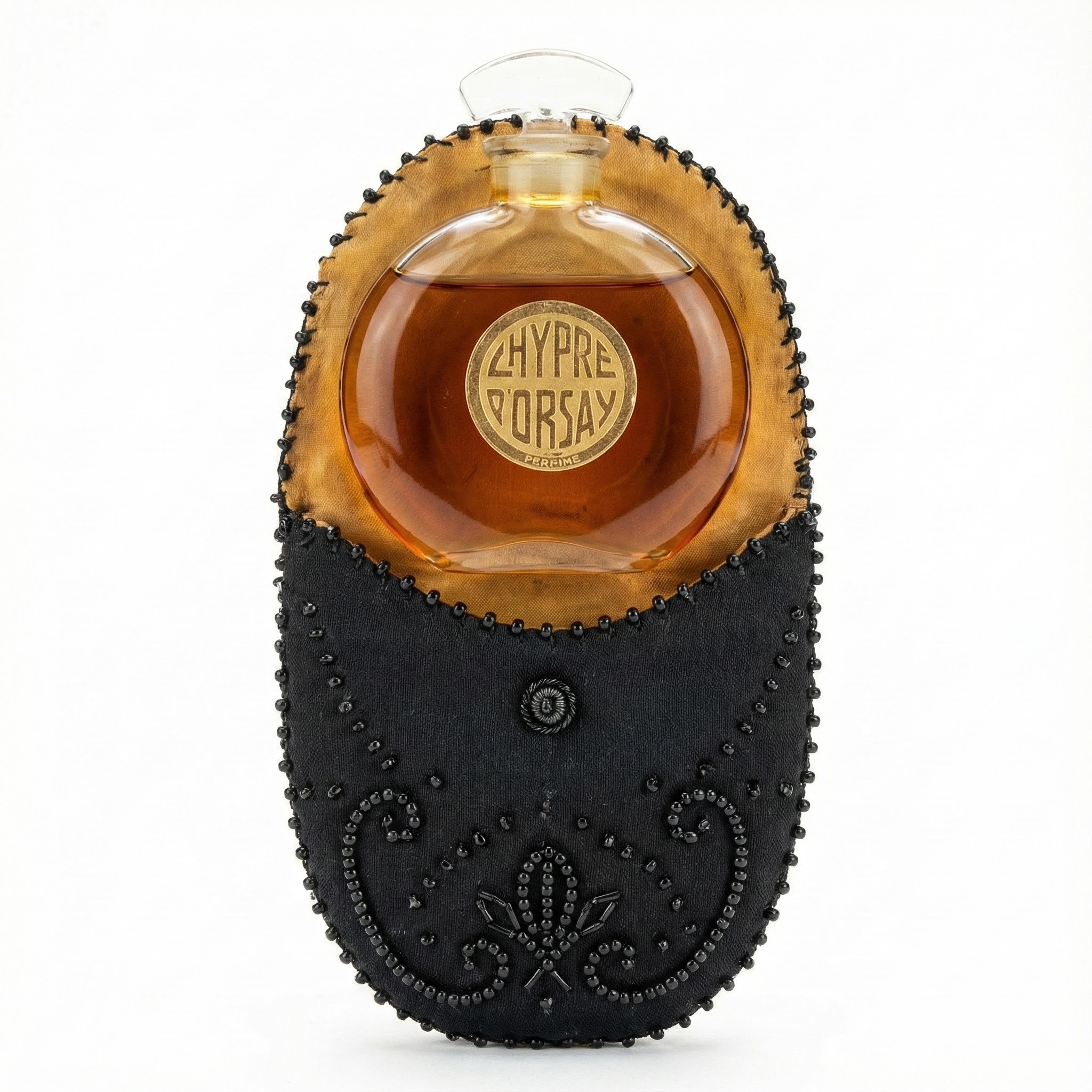
Perfume History Volume I: Minis
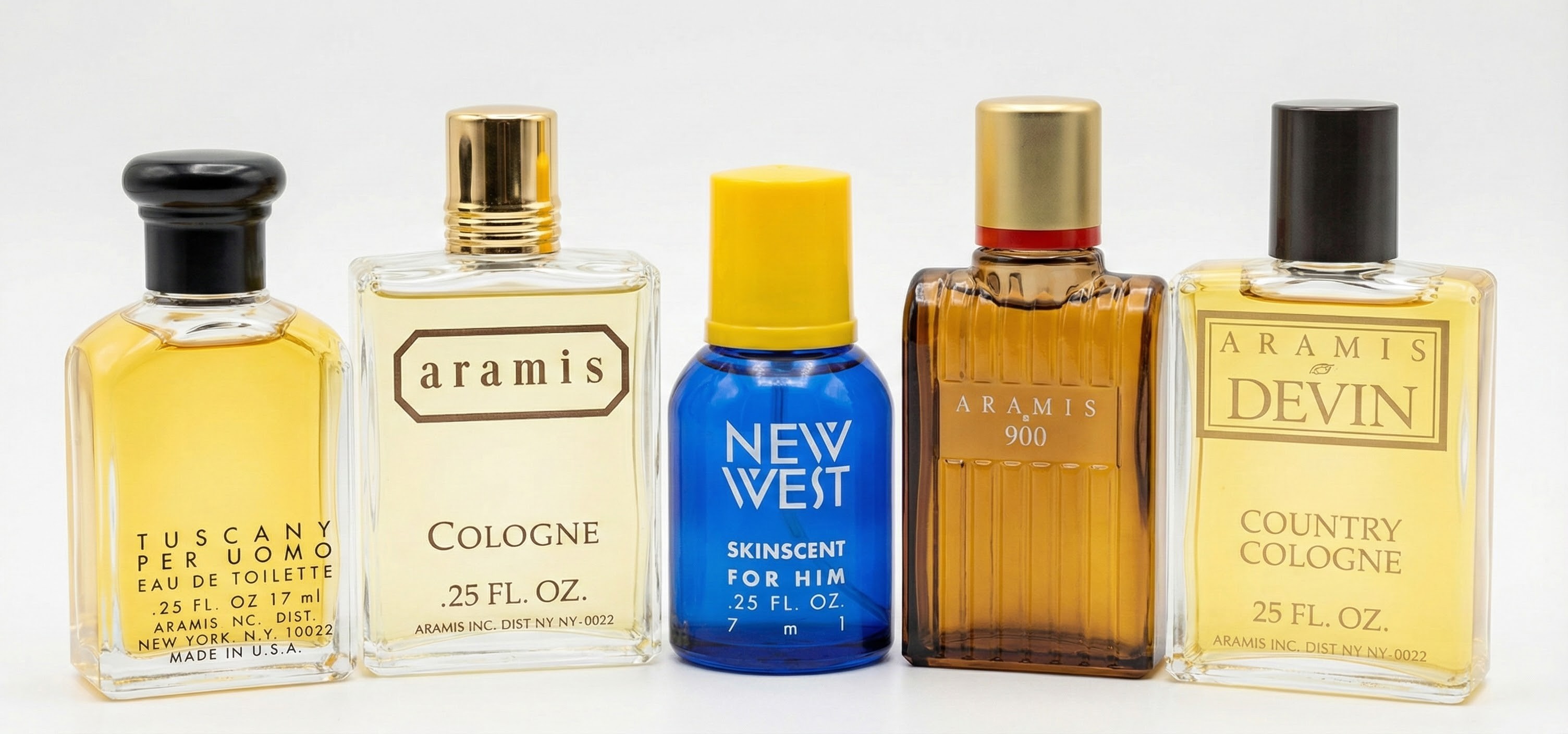
What Are Perfume Minis?
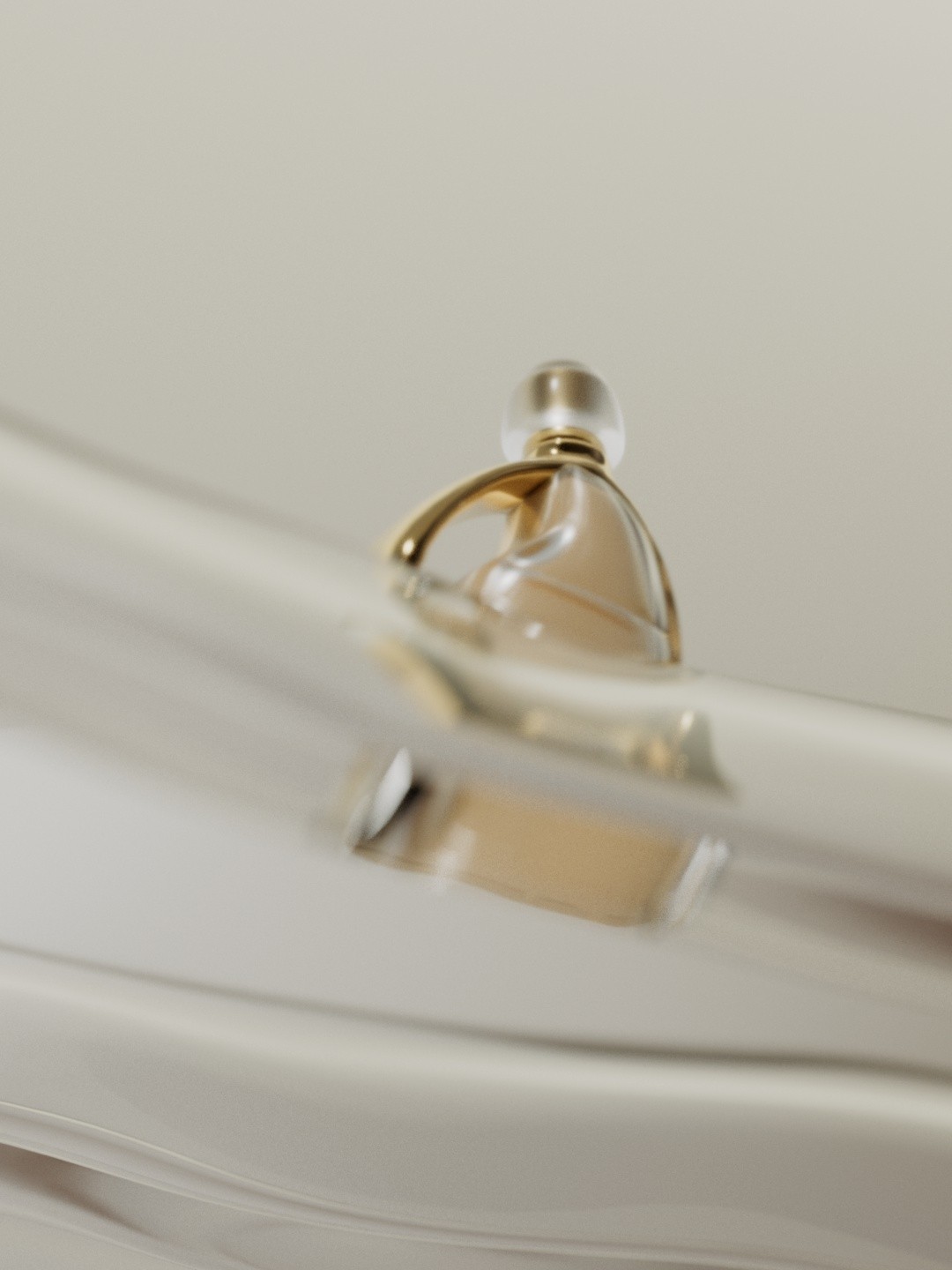
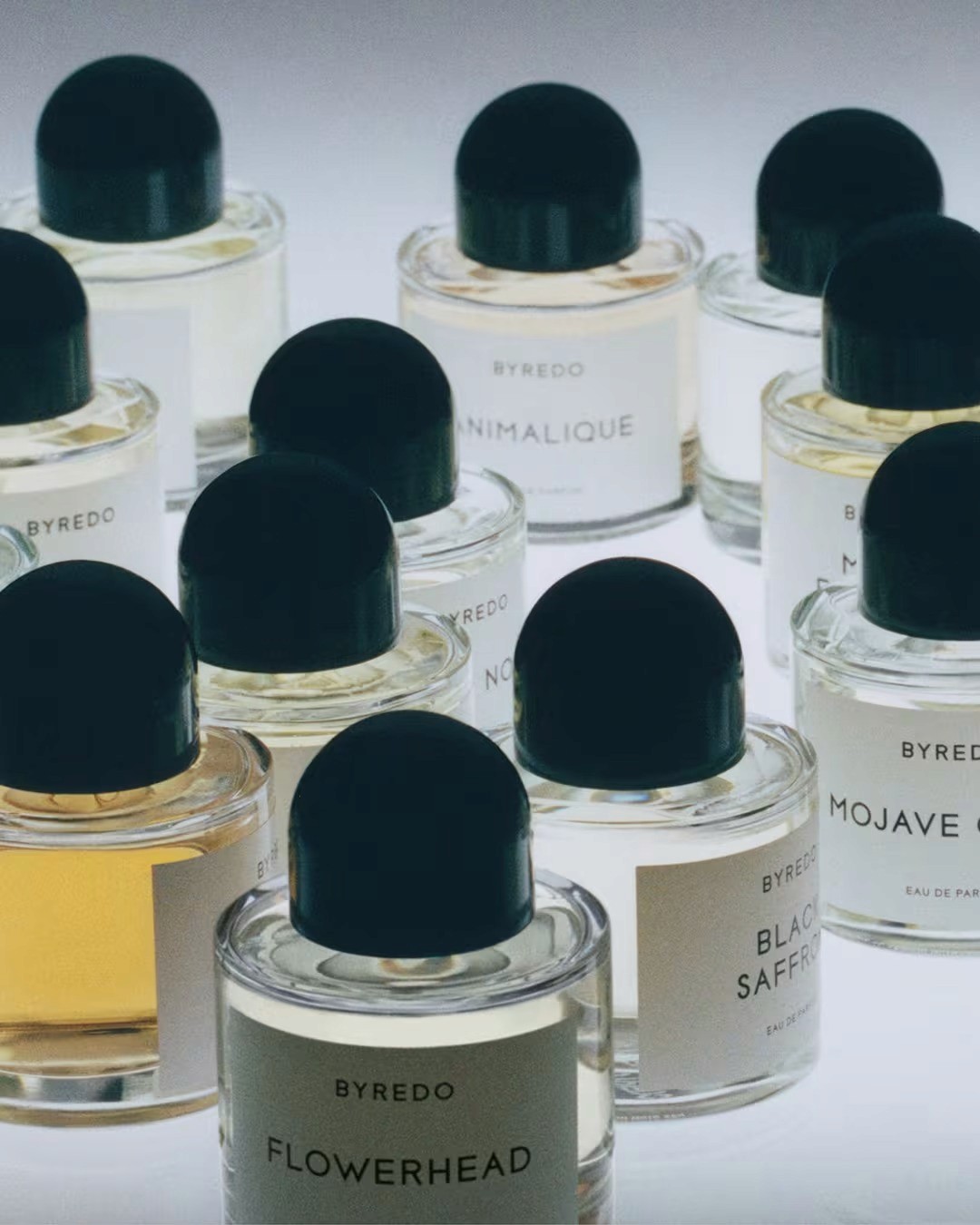
Perfume minis (or miniature perfume bottles) are small-scale versions of a brand’s full-sized fragrance bottle—usually ranging from 3ml to 15ml. Importantly, they are not simple sample vials or testers. Perfume minis are:
Most minis preserve the full aesthetic, design language, glass shape, cap, color, and branding of the original fragrance, but at a fraction of the size. They typically contain the actual fragrance (not a diluted sample), with real stoppers, sprays, or screw caps.Perfume minis have played a far more important role in the evolution of perfumery than people assume. Their historical journey mirrors the cultural, economic, and technological shifts of the beauty industry.
Manufacturing Complexities: The Engineering of Small Luxury
Today I spent more time studying the history of miniature perfume bottles, and I feel like I’ve unlocked an entirely new way of thinking about luxury packaging. The more I dive into this subject, the more I realize that minis weren’t just small versions of perfumes — they were an entire cultural, psychological, and economic ecosystem. A universe inside a bottle.
I used to see minis as charming collectibles; now I understand they were strategic, intentional, and deeply influential. They shaped how people consumed beauty, how brands built desire, and how design systems evolved.
What fascinates me most is how minis operated as a parallel product category, not a derivative one. They weren’t afterthoughts. They had their own production lines, mold codes, marketing strategies, and even internal hierarchies. Some were part of “mates,” coordinated sets released as duos, trios, or families — each bottle designed to complement the others visually or thematically. These sets were early examples of brand world-building: packaging as narrative structure.
The craftsmanship involved was extraordinary. Scaling a bottle down wasn’t simple. It required separate molds, adjusted glass thickness, refined polishing techniques, micro-labeling, and precise engineering for caps and stoppers. Many minis were produced in different regions — France, Spain, the U.S. — each with subtle variations collectors can identify immediately. Even differences in mold marks or a slight shift in bottle color can tell you which factory made it and in which decade.
That level of detail reminds me why I love packaging so much: every tiny decision becomes part of the object’s identity.
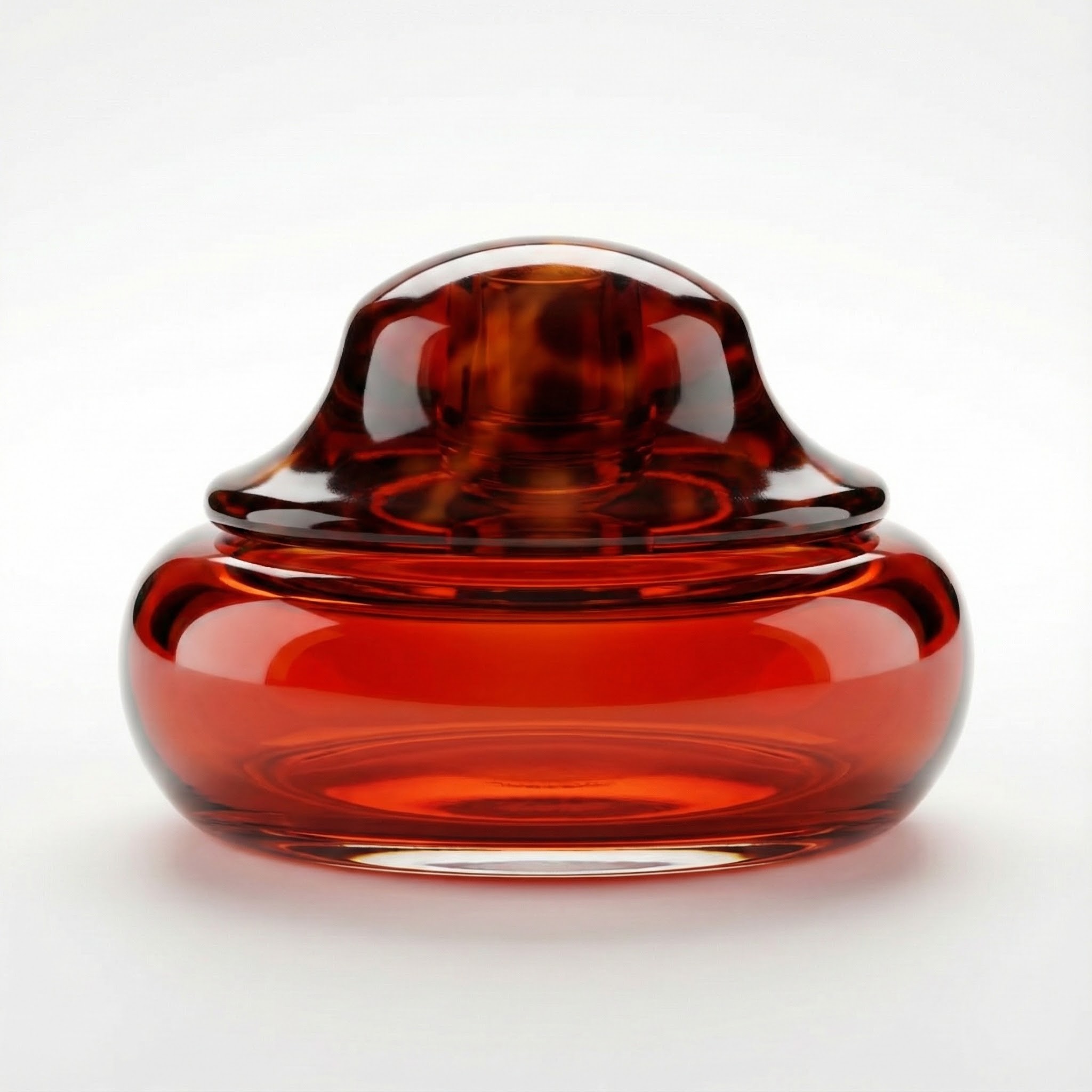
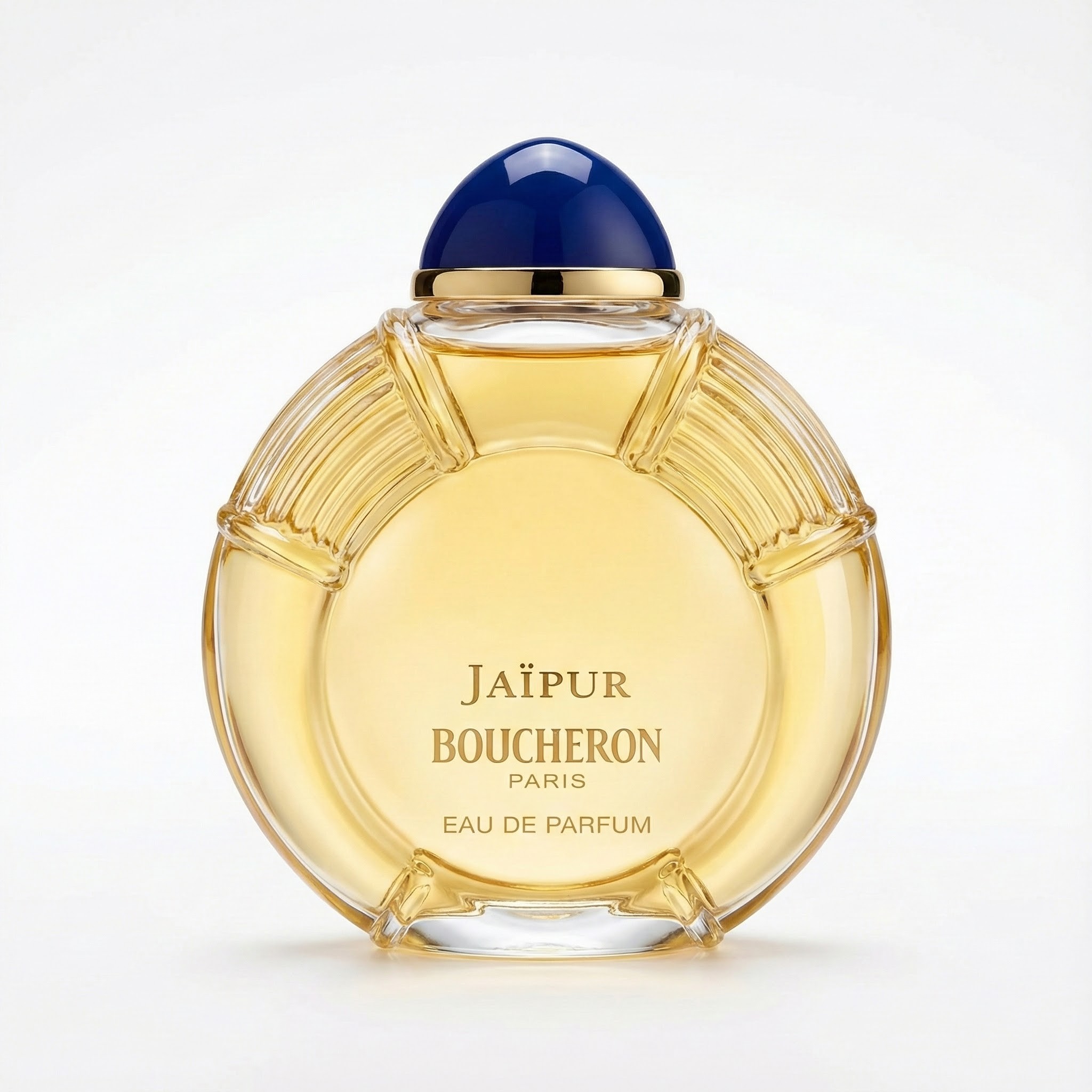
Minis as the earliest form of luxury sampling
Long before the era of Sephora testers, influencer PR kits, and travel-size products, miniature bottles were the primary way a brand introduced itself to consumers. They were tiny but powerful ambassadors.
Brands knew that if a woman could hold the bottle — feel its weight, admire the cap, carry it in her handbag — she would form an emotional connection with the fragrance house. Minis created desire by offering a taste of the dream without the full financial commitment.
This wasn’t accidental. It was strategic.
A full perfume was a luxury.
A miniature was permission.
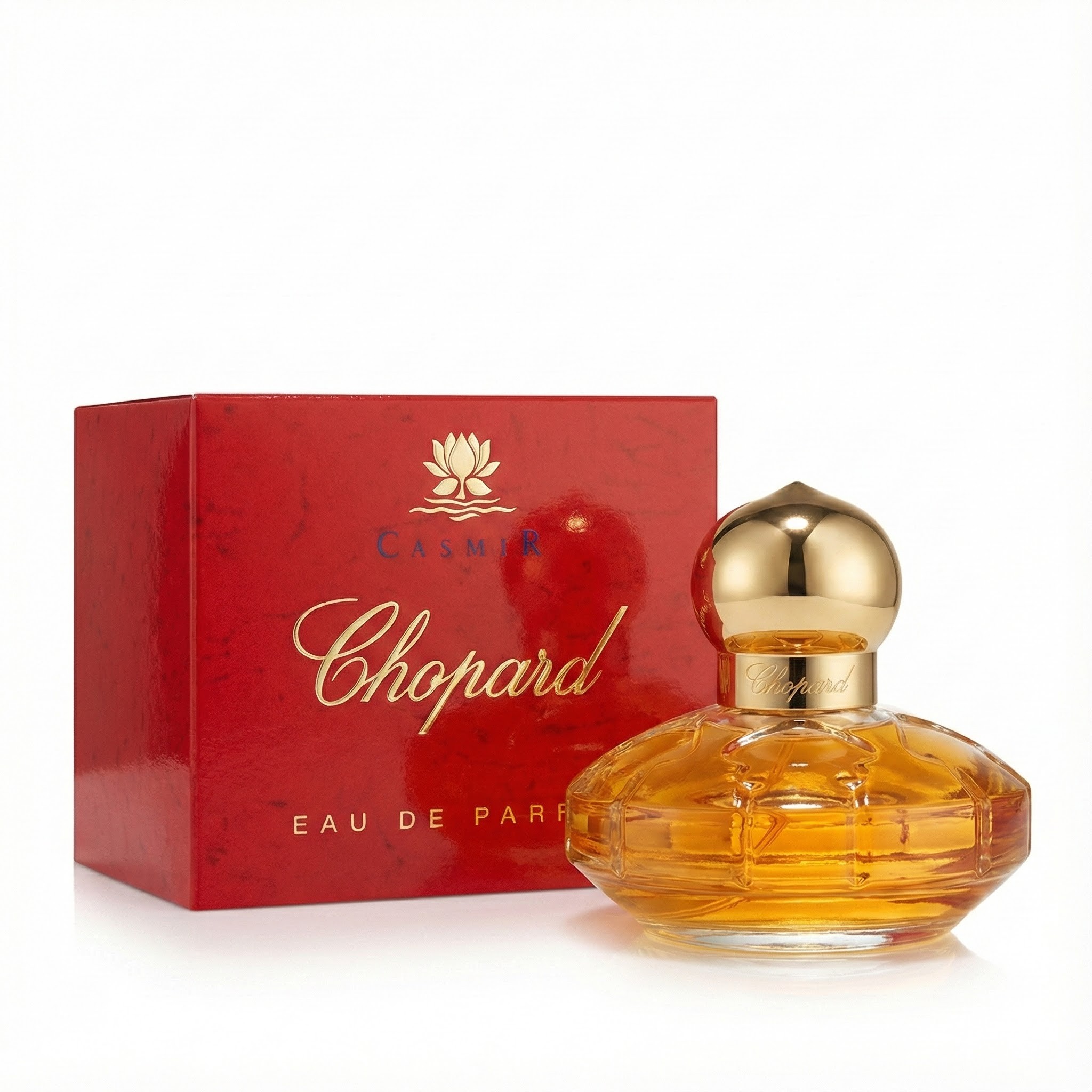
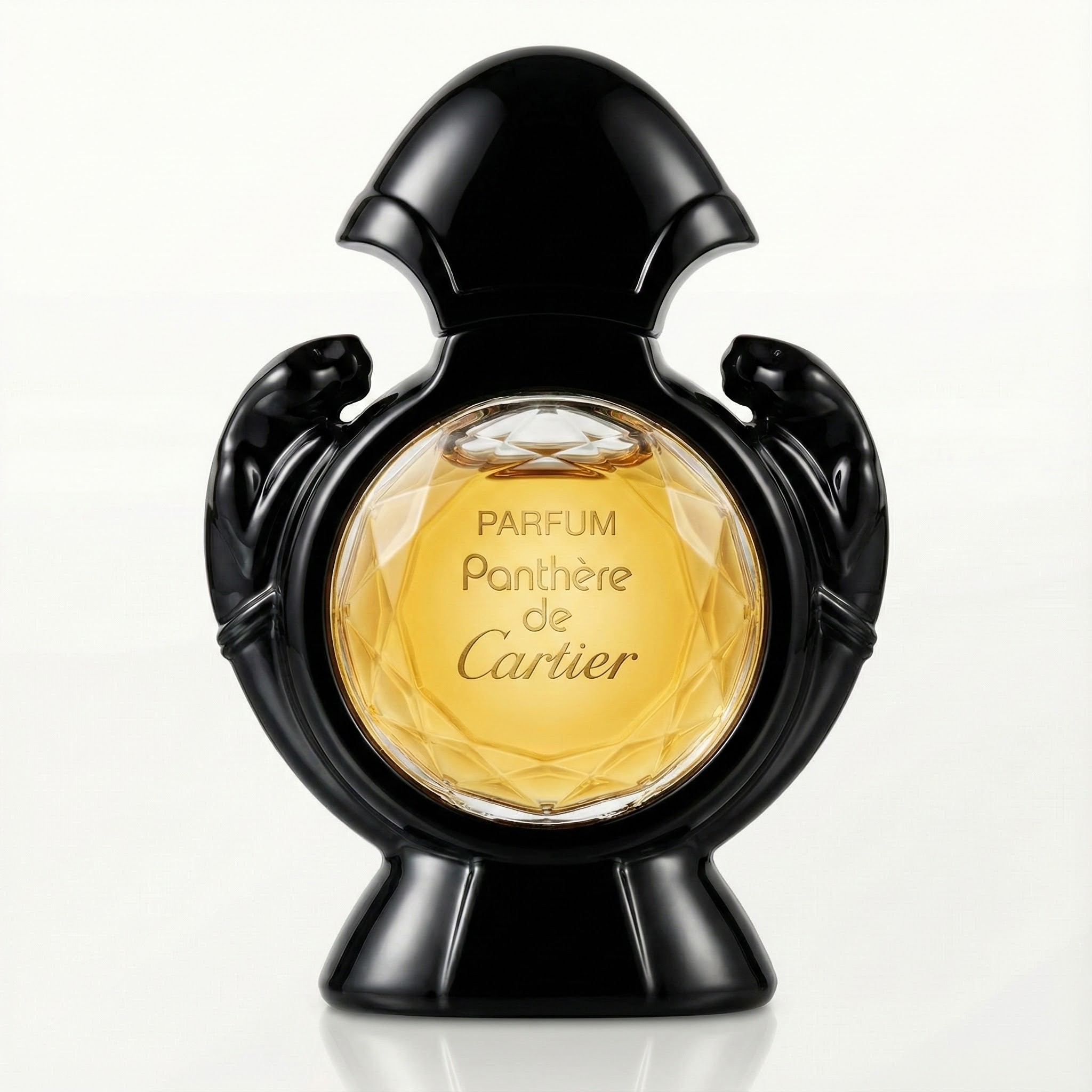
They democratized luxury while elevating it
Something beautiful happened when minis entered the market: perfume shifted from a rare, occasional treat to part of a woman’s daily ritual.
Minis bridged the gap between:
aspirational luxury
and accessible indulgence
This duality is something I think about constantly at Blank Space: the way packaging creates psychological accessibility without lowering the brand’s value. Minis let fragrance houses appear generous rather than exclusive — while still maintaining mystique.
The design fidelity is what made them iconic
What fascinates me most is how meticulously minis replicated the full-size bottles. In the early and mid-20th century, these weren’t simplified versions. They were exact architectural miniatures, down to the embossing, glass cuts, and even the metalwork.
Some design insights I noted:
Glassmakers like Lalique and Baccarat would create molds specifically for mini versions.
Many stoppers had scaled-down crystal cuts that required separate craftsmanship.
Several minis were hand-polished, despite their size.
Some luxury houses produced mini flacons in limited runs that today are more valuable than the originals.
This tells me that heritage brands understood something modern brands forget:
When you shrink an object, the emotional impact intensifies.
A miniature bottle isn’t just a small fragrance — it’s a small story.
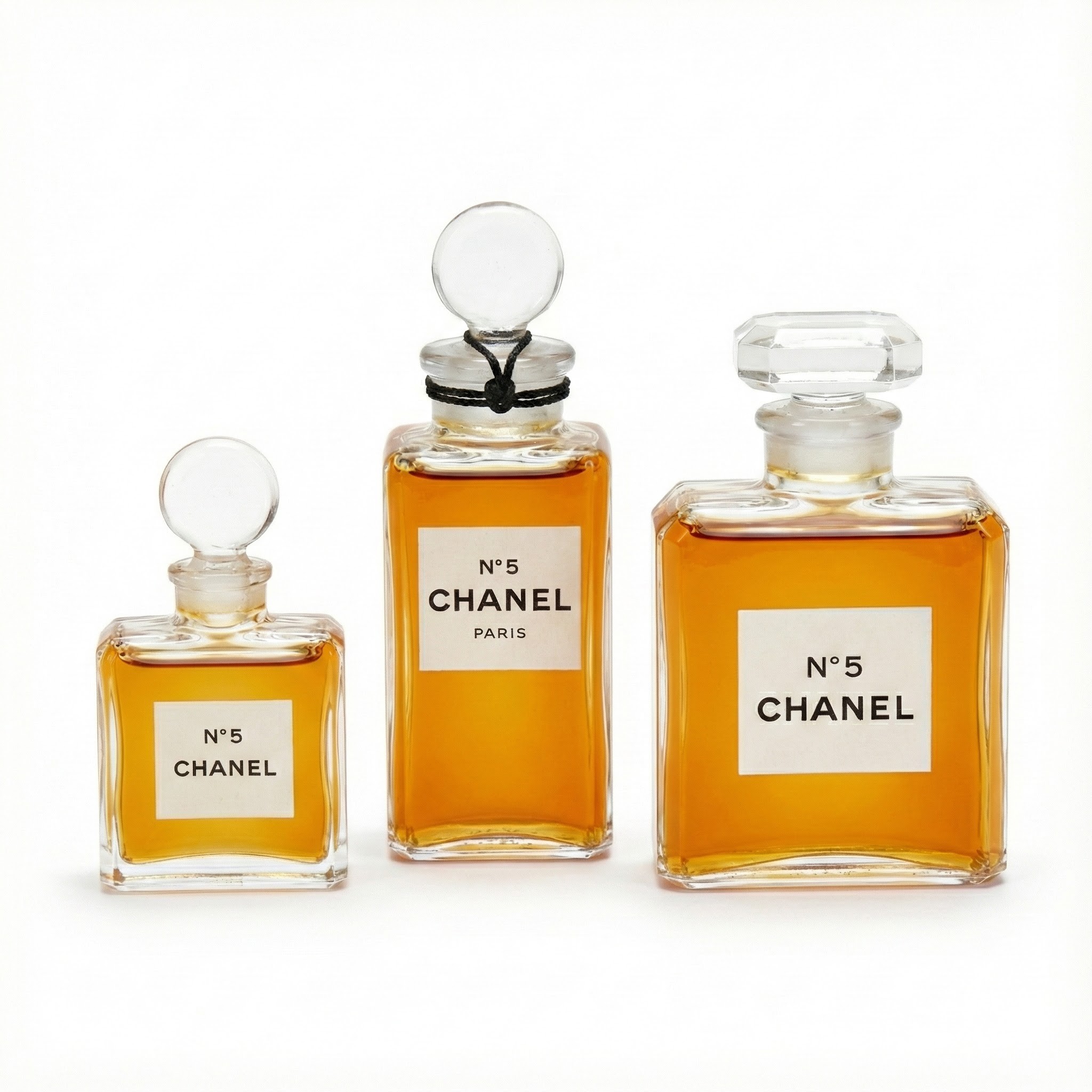
A reflection of women’s lifestyles at the time
Minis weren’t created in a vacuum. They responded to the evolution of femininity:
Women increasingly worked outside the home.
Handbags became smaller and more structured.
Air travel expanded quickly in the 1950s–60s.
Grooming rituals shifted from “for special occasions” to “daily identity.”
A small bottle fit into this new rhythm. It was discreet, elegant, and portable — a companion rather than an object left on a vanity.
Design responding to lifestyle is something I think about constantly. And this was a perfect historical example.
They represent a lost era of intentionality
What I love most is the mindset behind the craftsmanship. Nothing was rushed. Every flacon was treated like a little piece of architecture, even if it was small and inexpensive. There’s a reverence in those designs that feels almost extinct in mass beauty today.
This historical deep dive reminded me:
Packaging is storytelling.
The vessel can outlive the product.
Small objects can hold enormous emotional weight.
Craftsmanship is a form of respect — for the consumer and for the brand world you’re building.
Minis were not an afterthought. They were a philosophy.
What this means for my work now
As I look at the perfume and beauty brands I’m building — from high-end South Korean skincare to luxury editorial sunscreens to sculptural perfume bottles — I realize how much potential there is in reintroducing intention.
What if:
Minis became objects of art again?
Packaging invited collecting?
Small formats weren’t just “samples” but emotional touchpoints?
The past is reminding me of the standards we should hold today.
Design should feel lasting.
Even tiny objects should feel meaningful.
This exploration left me inspired, almost nostalgic for a time I never lived in — yet deeply connected to through my work.
There is magic in the tiny, the detailed, the considered.
And I want to bring more of that magic into everything we create at Blank Space.
— Ana
Photo Credits:
Miller's perfume bottles : a collector's guide by Marsh, Madeleine, 1960-
Product photos: by Blank Space